

Why Your Dog May Be Acting Strange After the Time Change
Daylight Saving Time. We hate it. We don’t understand it. It messes with our sleep schedules, leaves us feeling exhausted, and honestly, having to change every clock in my house is just one more thing I don’t feel like doing. And yes, I’m also just lazy. *Cries in Spanish*
But while we humans are busy trying to adjust to losing an hour of sleep, it turns out our furry friends are dealing with their own little time-change drama.
And I can personally confirm this because my dogs, who are usually VERY active at night, have been acting unusually lazy. Apparently, they’re not the only ones feeling the effects of the time change!
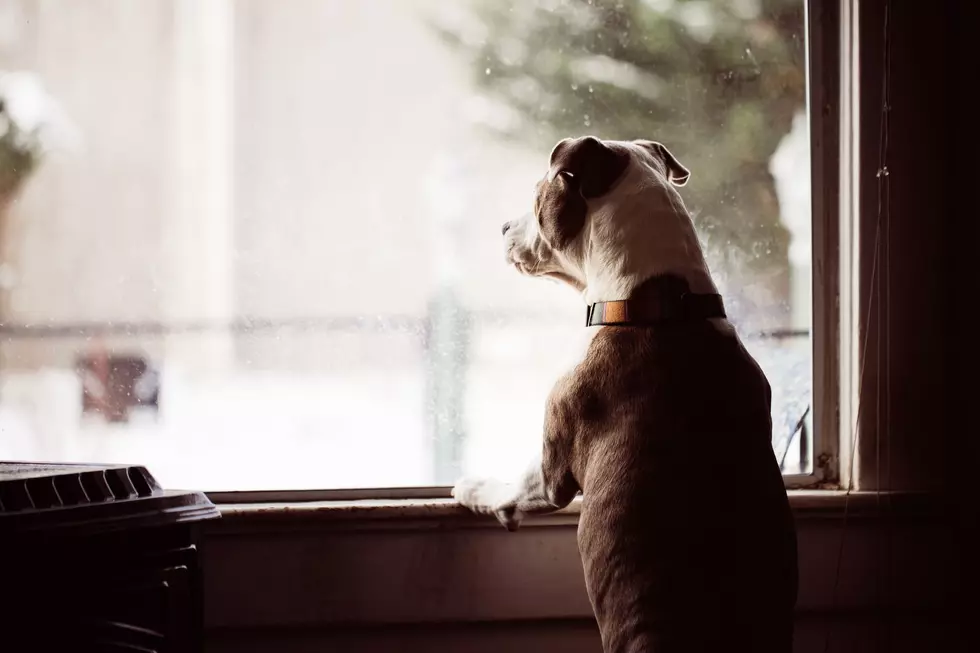
Dogs Are Not Fans of Daylight Saving Time
According to the American Kennel Club, dogs rely heavily on routine and natural sunlight to regulate their internal clocks. So when we suddenly shift their feeding times, walks, and bedtime by an hour, it can throw their entire schedule out of whack.
Your precious pup doesn’t understand the concept of Daylight Saving Time. They don’t know that we’re trying to save daylight or whatever the heck we’re doing. All they know is that dinner is suddenly being served at a different time. And honestly? I’d be upset, too!!
Common Ways Daylight Saving Time Can Affect Dogs
According to the American Kennel Club, here are some of the ways the time change can affect your four-legged family members:
- Routine Disruption: Dogs thrive on consistency. Changes to feeding, potty breaks, and walks can leave them feeling confused or anxious.
- Restlessness and Fatigue: Just like us, dogs can experience disrupted sleep patterns, leading to early wake-ups or extra energy at night.
- Increased Anxiety: Some dogs may become more clingy, stressed, or unsettled while adjusting to their new routine.
- Potty Accidents: Their internal clocks may still be running on the old schedule, which could lead to the occasional accident indoors.
- Digestive Issues: Changes in meal timing can sometimes cause mild stomach problems, including diarrhea.
So if your dog has been acting a little off lately, it might not just be a coincidence. Their internal clock could still be trying to figure out what happened.

How to Help Your Dog Adjust to Daylight Saving Time
The good news is that most dogs adjust within three to seven days. In the meantime, there are a few things you can do to make the transition a little easier for your furry bestie.
- Gradually Adjust Their Schedule: If possible, shift feeding and walking times by 10 to 15 minutes each day leading up to the time change.
- Stick to a Consistent Routine: Keep feeding, playtime, and potty breaks as consistent as possible.
Most Expensive Dog Breed
New Superman Movie Inspires Huge Surge in Dog Adoptions
Gallery Credit: Getty Images

